 U.S. Office:
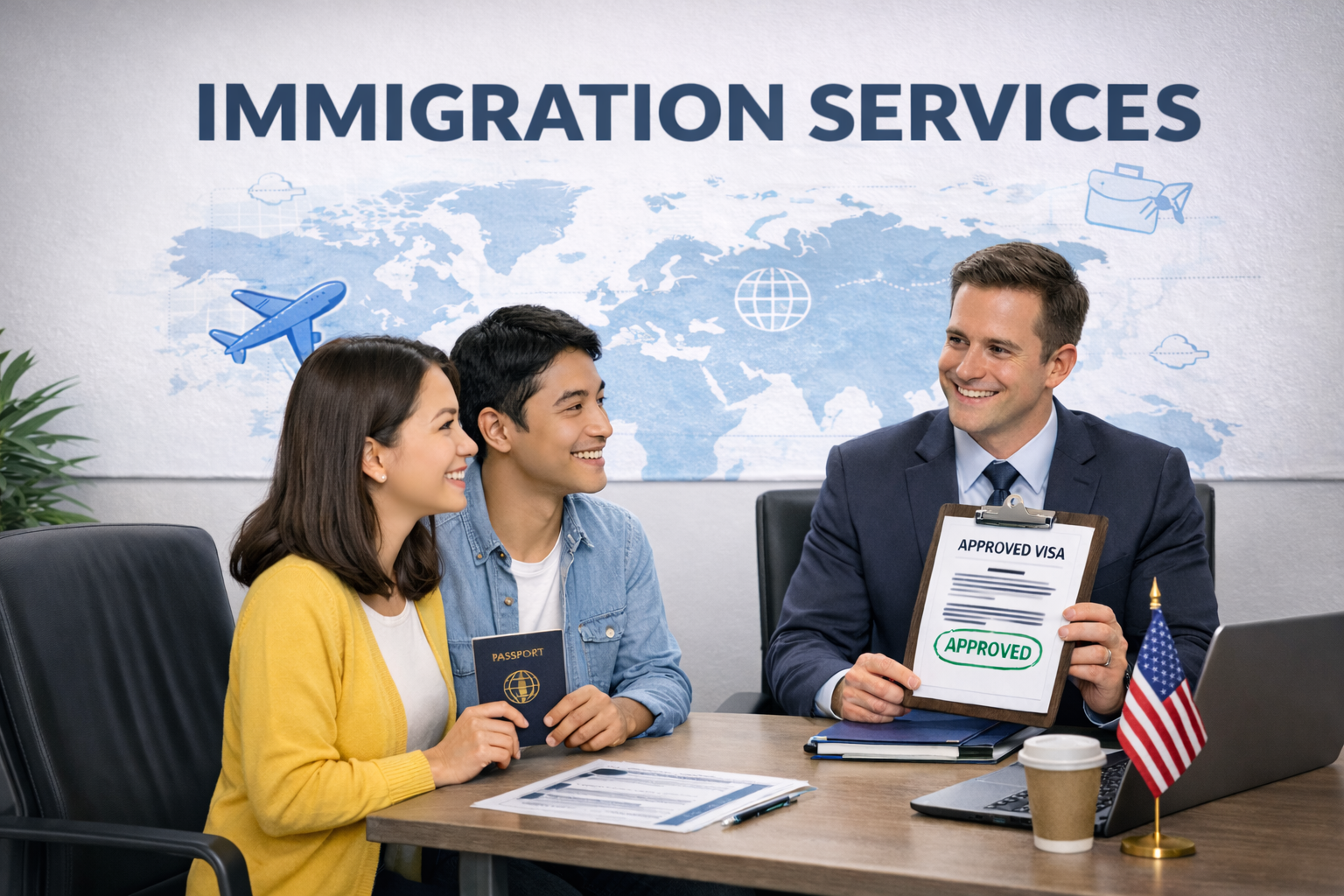
Processing wait times remain the single most critical consideration for families petitioning loved ones for lawful permanent residency in the United States. Navigating the timeline from initial Form I-130 filing through National Visa Center (NVC) documentary qualification to consular interview ensures smooth family reunification.
1. Understanding Immediate Relatives vs. Family Preference Categories
Processing timelines differ fundamentally based on whether the beneficiary falls into an uncapped Immediate Relative category or a statutory Preference tier:
Tier 1: Immediate Relatives (Uncapped)
Includes spouses of U.S. citizens (CR-1/IR-1), unmarried children under 21 (IR-2), and parents of adult citizens aged 21+ (IR-5).
Key Feature: No annual visa caps! Immigrant visas are immediately available once USCIS approves the petition and NVC documents are qualified.
Tier 2: Family Preference Categories
Includes: F-1 (Unmarried adult children of citizens), F-2A/F-2B (Spouses/children of permanent residents), F-3 (Married children), and F-4 (Siblings of adult citizens).
Key Feature: Subject to statutory annual numerical limits. Beneficiaries must wait for their Priority Date to become current on the monthly Visa Bulletin.
2. The Three Sequential Stages of Family Case Processing
The comprehensive timeline from filing to visa issuance spans three distinct administrative jurisdictions:
Stage 1: Form I-130 Adjudication at USCIS
Petitions are filed with USCIS and receipted via Form I-797C. Cases are routed to the Texas, Nebraska, California, Potomac, or Vermont Service Centers based on workload distribution.
- Spousal CR-1 / IR-1 Petitions: Currently averages 11 to 15 months.
- Parent IR-5 Petitions: Currently averages 12 to 16 months.
- F-2A Preference (Spouses of LPRs): Approximately 18 to 24 months.
- F-1, F-3, F-4 Categories: Multi-year adjudication governed by Visa Bulletin cutoffs.
Stage 2: National Visa Center (NVC) Processing
Following USCIS approval, the case transitions to NVC. The petitioner and beneficiary pay immigrant visa fees, file the electronic DS-260 application, and submit Form I-864 Affidavit of Support alongside certified civil documents.
⏱️ Current NVC Review Time: 2 to 4 weeks upon submission of all required items without documentary errors (Documentarily Qualified - DQ status).
Stage 3: U.S. Consular Interview & Visa Issuance
Once DQ status is attained and visa numbers are available, the case file is transmitted to the U.S. Embassy or Consulate General (in Ho Chi Minh City for Vietnamese beneficiaries). The applicant completes medical panel exams, mandatory vaccinations, and attends the formal in-person consular interview.
Current wait time from DQ to interview for immediate relatives ranges from 2 to 4 months depending on post capacity.
3. Top Three Factors Causing Unnecessary Processing Delays
- Affidavit of Support (I-864) Deficiencies: Insufficient petitioner tax earnings failing the 125% HHS poverty threshold without properly documented Joint Sponsors or missing W-2 transcripts.
- Insufficient Bona Fide Relationship Proof: In spousal cases, inadequate continuous documentation (timeline photos, joint travels, shared financial commitments) leads to consular Section 221(g) administrative refusals.
- Civil Document Discrepancies: Inconsistent spelling or birthdate variances between birth certificates, household registrations, and national ID cards that trigger NVC rejection notices.
PN Immigration & Education Services manages the entire family sponsorship timeline: meticulous document audits, financial sponsorship validation, bona fide evidentiary packaging, and realistic 1-on-1 consular mock interviews to ensure maximum approval probability.
Related Case Studies & Resources:
Need Expert Legal & Academic Case Evaluation?
Our specialists at PN Immigration & Education Services are dedicated to providing clear, transparent, and compliant pathways for your journey in the United States.